
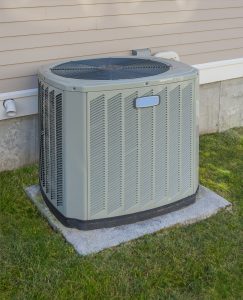
 Spring has officially arrived, and that means summer won’t be far behind. Temperatures in the area can soar into triple digits, accompanied by the kind of humidity that only New England can offer. Your air conditioning system is going to be called into action early and often, and that means your summer cooling bills are going to go way up. But just because they’re higher doesn’t mean they should be any higher than necessary.
There are ways to cut down on summer air conditioning bills. Some of them you may already practice as a matter of course: setting the thermostat to 78 degrees on hot days, for instance, and wearing light clothes and hydrating during the heat of the day. But there are more significant steps you can take not only for this summer, but for a number of summers to come. Here’s a brief list of ways you and your air conditioning technician can really cut down on those bills.
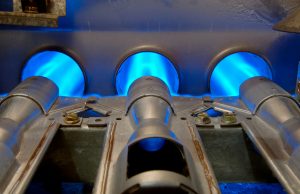 With the coming of spring, our heating systems are going to see less and less use as the temperatures start to warm. And yet ironically, this is the time of the year when we tend to see more heating repair calls than any other. Furnaces and other heating systems have been running for months nonstop, which is why they tend to experience sudden breakdowns and other problems just as they reach the end of winter.
  Spring is on its way, and while the weather is still very cool, it’s going to be hot and muggy soon enough. When that happens, you’re going to need your air conditioner to work every day without fail. There’s nothing worse than experiencing a breakdown when temperatures and humidity are sky high, and while our repair team can move swiftly to correct any problems, we’d much rather stop them before they start. The sooner you can spot an issue with your air conditioner, the better.
 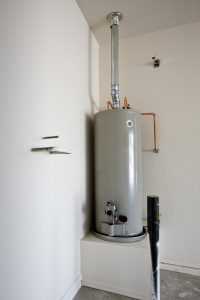 Water heaters, particularly traditional tank water heaters, are a staple of most homes in the area, and are absolutely vital to keeping your home running. Hot water is essential to cooking and cleaning, especially in the winter when the weather is cold and you need the water heater to do its job. Tank water heaters are usually very quiet, and they typically are placed in quiet out-of-the-way spots in your home, such as the basement. That’s one of the reasons why the tank model of water heating is so popular.
 We live in one of the coldest parts of the country, and freezing temperatures are pretty much par for the course in February. We rightfully focus on keeping our homes warm with heaters and furnaces in the winter. But temperature is not the only factor that goes into household comfort. You also have to deal with humidity levels, which can get pretty low in the winter and cause all kinds of problems as a result. A whole-house humidifier might be the best solution to a problem that’s going to bedevil you whenever temperatures start to drop.
  Most homes in the area used either forced-air furnaces or some type of boiler to stay warm in the winter. They’re inexpensive and efficient, which makes them great fits for a lot of homes. But they’re not right for every home especially those with unique heating needs or which preclude the use of necessary components like ducts. The good news is that there are a number of alternative HVAC systems available for such homes, and depending upon your needs, one of them may end up being a great fit. We’ve included a brief list below of some of the possible options.
  Hot water is an absolute necessity of life, and for that, you need a good quality hot water heater. That’s especially true in the winter when the weather gets cold and hot water is needed more than ever.
 No one likes to think of having to deal with a plumbing emergency. The last thing any homeowner wants to deal with is an issue in the middle of the night or over the weekend when other tasks have your attention. But plumber issues can’t always wait, and unfortunately they don’t always choose normal business hours to take place. An emergency plumbing call may be a question of “when” rather than “if” for most homeowners in the area.
  The East Coast was hit with