Cooling Unlimited, Inc. Blog

What’s the Difference Between Ductless & Ducted Heat Pumps?
August 14th, 2023
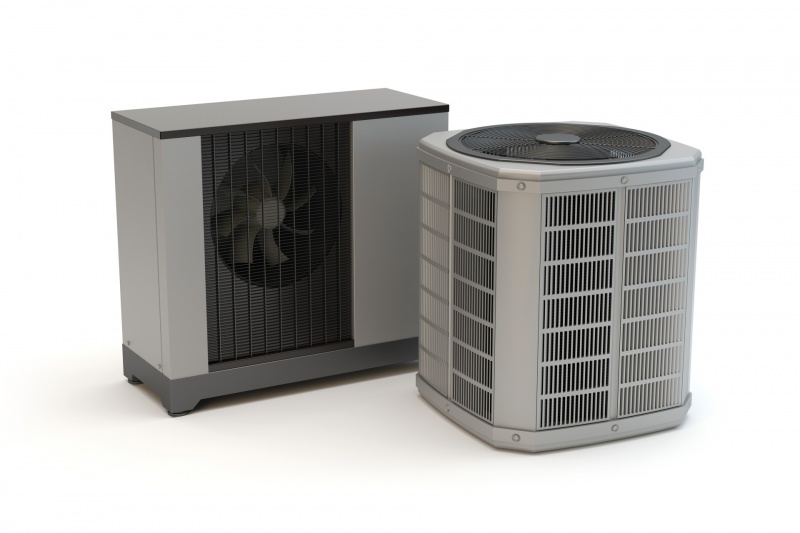
Two residential outdoor air conditioning condenser units used for AC services and HVAC cooling systems.

If you’re considering getting a heat pump for your home, that’s great! But you’ve still got some research to do. Can it fully replace both your air conditioner and your heating system? What are the options? What are ducted and ductless heat pumps, and what are the benefits of each? Knowing these details will help you make a decision you’ll be happy with long term—and learning whether a heat pump is best for ac services in your home is a great place to start.

What Is the Difference Between Ductless and Ducted Heat Pumps for AC Services?

  • Ducted heat pumps: Use a central air handler and a network of ducts to distribute cooled or heated air throughout the entire home. These systems are common in homes that already have existing ductwork.
  • Ductless heat pumps (mini-splits): Provide heating and cooling directly to individual rooms through wall-mounted indoor units, eliminating the need for ducts.
  • AC service considerations: Ducted systems require maintenance of ductwork and central components, while ductless systems focus on servicing individual indoor units and filters.

Choosing the Right Heat Pump Size for Your Home

Before you settle on a specific heat pump, some calculations need to be made. A qualified technician can assess the size and layout of your home to determine the size of the heat pump system you need. Just like a traditional central air conditioner, a heat pump must be chosen to precisely fit the needs of the home.

If it’s either too large and powerful, or too small and not powerful enough, extra wear and tear and strain on the compressor will occur, increasing the likelihood that the heat pump will need frequent repairs, and shortening the life expectancy of the system.

Heating Performance of Ducted vs Ductless Heat Pumps

Because heat pumps transfer heat from one location to another rather than generating heat, they are the most efficient option that exists for home heating. And it doesn’t need to be warm in order for the system to bring warmth into your home—the outdoor air just needs to be warmer than the very cold refrigerant. If you’re upgrading from an older system, it may also be worth exploring whether heat pump replacement for ac services could improve your home’s efficiency.

In temperatures as low as 40 °F, heat pumps maintain this incredible efficiency, so spring and fall heating costs can be reduced dramatically. But our winters drop well below that temperature, sometimes for weeks at a time! We’ve got good news, though. A dual-fuel system can provide auxiliary heat as needed during the deepest winter chill. You can also consider a cold-weather heat pump that works efficiently in colder temperatures.

Ducted vs Ductless Heat Pumps: Key Differences

If your home already has a system of ductwork, the simplest heat pump installation would make use of that existing framework and continue to use the ducts to convey heat throughout your home. If your home has no ductwork, or the ductwork is in very poor condition, you might consider a ductless mini split alternative in Boston.

This involves making a small hole in your exterior wall for the conduit which contains refrigerant, drainage, and power lines. Inside your home, air handlers are mounted on walls in separate parts of the home, each with its own thermostat for zone control, further reducing energy waste by only heating or cooling as necessary.

If your home does have ductwork and you’d like to continue to use it, you should have it inspected to see if any sealing or repair is necessary. While the operating cost of a ductless system is lower, the inconvenience and expense of the more complex installation might affect your choice as well. In some cases, homeowners compare this option with other ductless system options for ac services before deciding which setup works best for their home.

Specific recommendations based on your home, your needs, and your budget can be provided by a member of our team to help you decide how to move forward.

Frequently Asked Questions

Question: What is the difference between ducted and ductless heat pumps?
Answer: A ducted heat pump uses your home’s existing ductwork to move heated or cooled air through vents. A ductless heat pump uses indoor air handlers mounted in specific areas of the home. Ductless systems are often a strong fit for homes without ducts or with damaged ductwork.

Question: Can a heat pump replace both my air conditioner and heating system?
Answer: In many homes, yes, a heat pump can handle both cooling and heating. It works like an air conditioner in summer and reverses operation to provide heat in cooler months. In colder climates, some homeowners pair it with auxiliary heat or choose a cold-weather model for better winter performance.

Question: Are ductless heat pumps more energy efficient than ducted systems?
Answer: Ductless heat pumps are often more efficient because they let you control temperatures by room or zone, which helps reduce wasted energy. Ducted systems can still perform well, especially when existing ductwork is properly sealed, insulated, and in good condition. Efficiency depends heavily on installation quality and system sizing.

Question: How do I know whether ducted or ductless is better for my home?
Answer:
The best choice usually depends on your home’s layout, whether you already have usable ductwork, and how much zone control you want. Ducted systems are simpler when good ducts are already in place. Ductless systems are often better for homes without ducts, additions, or rooms that need independent temperature control.

Question: Does heat pump size matter when choosing a new system?
Answer:
Yes, proper sizing is essential for comfort, efficiency, and system lifespan. A unit that is too large or too small can create extra strain on the compressor, increase wear, and lead to more repairs over time. A qualified technician should evaluate your home before recommending a system.


Reach out to Cooling Unlimited, Inc. to speak with qualified heat pump experts.

Continue Reading

6 AC Sounds That Mean It’s Time for Repair

July 17th, 2023
person-with-hand-to-ear-listening-to-a-concerning-sound

You’re probably pretty good at spotting the signs when a person isn’t feeling well. Coughing, sniffling, fever, stomach symptoms, aches, and pains can be pretty obvious. And of course, most people are able to describe how they’re feeling.

Understanding Your Cooling System

A well-functioning cooling system is crucial for keeping your Boston home comfortable when temperatures rise. Your cooling system works hard behind the scenes, circulating cool air throughout your living spaces and maintaining a consistent indoor climate. Understanding the basics of how your system operates can help you spot early warning signs of trouble and take action before minor issues turn into major headaches.

HVAC services also include heating system maintenance and repair, ensuring year-round comfort for your home.

Most cooling systems rely on a network of components—including compressors, coils, fans, and thermostats—to remove heat from your home and keep the air at your desired temperature. Over time, normal wear and tear, dust buildup, and even small mechanical issues can impact performance. That’s why regular maintenance is so important. Scheduling routine maintenance with a trusted HVAC team ensures your system runs efficiently, helps prevent unexpected breakdowns, and can even extend the lifespan of your equipment.

Annual maintenance helps extend the lifespan of your air conditioning system. Changing air filters every one to three months is essential for optimal performance and indoor air quality. Scheduling maintenance in early spring can help prepare your AC for the summer heat.

Staying proactive with maintenance is especially crucial in Boston, where sudden heat waves can put extra strain on your cooling system. By keeping up with regular inspections and tune-ups, you’ll not only protect your investment but also enjoy peace of mind knowing your home will stay cool and comfortable all summer long. Checking refrigerant levels is a key part of maintenance to ensure optimal cooling performance. A clogged air filter can lead to weak airflow from your air conditioning system.

What are common signs you need HVAC repair or replacement?

  • Strange sounds like banging, rattling, or hissing.
  • Weak airflow or uneven heating and cooling. Weak or warm airflow can indicate compressor failure, refrigerant leaks, or a clogged filter.
  • Sudden spikes in energy bills. An unexplained increase in energy bills may indicate your AC is struggling to run efficiently due to worn-out parts.
  • Short cycling or frequent system restarts. Frequent cycling, where your AC turns on and off in short bursts, could indicate an oversized unit or a thermostat malfunction.
  • System age over 15 years.
  • Frequent repairs on an old system or traditional systems may indicate that ac replacement or replacing the unit is a more cost-effective solution than continued repairs.
  • Newer air conditioning systems are often more energy-efficient and can save on energy costs in the long run.

But your air conditioner can’t tell you what’s wrong, can it? You have to be able to spot the symptoms of AC problems. When your AC breaks, quick and reliable repair services are essential to restore comfort, especially during hot weather. One of the best ways to do this is with your ears. Listen for these telltale sounds:

Continue Reading

Why Choose a High Velocity Air Conditioning System?

July 3rd, 2023
older-houses-which-were-built-without-ductwork

It’s been about fifty years since most newly-constructed homes in the US started to be built with ductwork to accommodate the central air conditioners which were becoming so popular. But these systems were a little slower to catch on in northern regions which were less dependent upon air conditioning, and in New England in particular, many of our houses have been standing for much longer than fifty years. If you want to install a central air conditioner in your home, you might encounter some challenges. High velocity AC systems might provide the solution. 

Continue Reading

AC Problems that Can’t Wait

June 19th, 2023
technicians-repairing-an-air-conditioner

Air conditioner issues, especially when they happen during a heat wave, are extremely unpleasant. When an AC unit starts acting up, the first thing you’ll worry is that it’s going to break down completely and leave you sweltering. In some cases, getting an immediate repair can mean the difference between continuing to have air conditioning and having to replace the unit entirely. But how do you know whether your problem is one of those cases? We’ll give you some pointers to help gauge when an AC issue calls for emergency repair, and when you can safely wait for a scheduled appointment.

Continue Reading

Know When to Repair or Replace Your Air Conditioner

June 5th, 2023
AC replacement service technicians inspecting an outdoor air conditioning unit with tools and diagnostic equipment.

As the summer heat is starting to hit, and you’re turning on your air conditioning for the first time in several months, you might realize that it’s not working as well as it should. Or is it past that point, and you should consider an ac replacement? Recognizing the signs you need an AC replacement service early can help you decide faster. Opting for ac replacement can offer benefits like improved comfort, greater energy efficiency, and lower utility bills. Ensuring a comfortable and safe environment for your family is also a key consideration when deciding between repair and replacement.

Some common signs that it may be time for replacement include frequent breakdowns and rising energy bills. Recognizing these signs early can help you avoid unexpected system failures and keep your home comfortable.

Continue Reading

Meet the Mini HVAC Wonder: The Mini Split

May 22nd, 2023
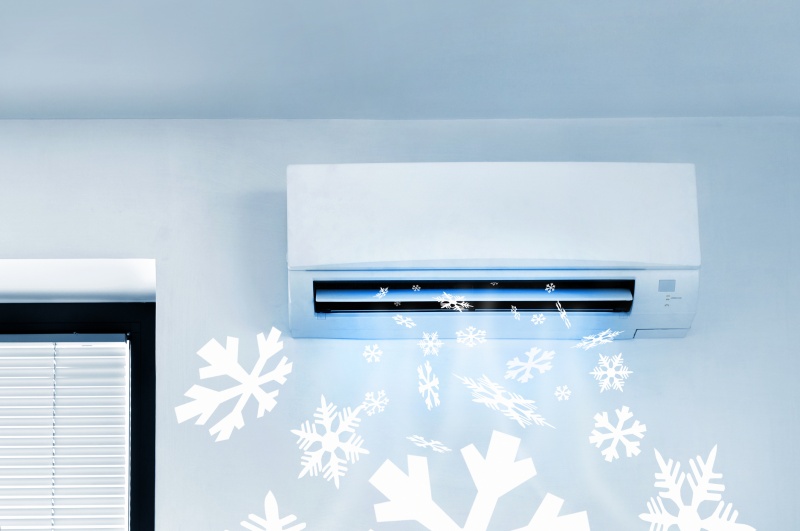
cold-air-blowing-from-a-mini-split-air-handler

If you’re not satisfied with your heating or cooling system, or they’re aging and you know you’ll need to consider replacement soon, it’s time to learn about your options. The more knowledge you have, the easier it will be to make a choice for your home that you’ll be happy with for years and years to come. One excellent HVAC option is a mini split. We’ll give you all the info about it so you can decide if it’s the right choice for your home.

Continue Reading

Pros and Cons of Tankless Water Heaters

May 8th, 2023
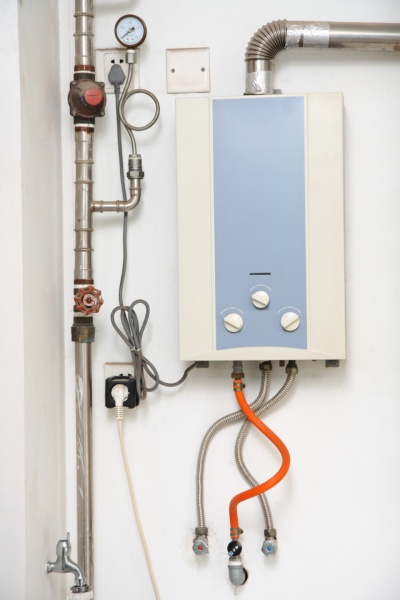
tankless-water-heater

If the time has come to consider water heater replacement, you’ll want to know what all your options are so you can determine which water heater system is ideal for the needs of your home and your family.

One of the first ways to narrow down your options is to decide whether you want a tank or tankless water heater. How will you choose? They both have benefits and drawbacks.

We’ll give you the rundown of the differences between the two systems, so you can consider what will work best for you.

Continue Reading

Why Heat Pumps Need Twice a Year Maintenance

April 24th, 2023
a-technician-greets-a-customer-at-the-door

What a relief that spring is finally here! With all the beautiful weather and outdoor opportunities, it can be easy to forget the important tasks that should be done this time of year. If you have a heat pump, scheduling maintenance for it should be at the top of your to-do list. And yes, that’s true even if you had maintenance in the fall.

Continue Reading

Kitchen Sink Problems that Need a Plumber

April 10th, 2023
plumber-at-kitchen-sink

Oh no! Something’s wrong with the kitchen sink! Should you call a plumber right away? Well, maybe. But there might be something you can try yourself first. We’ll go over the common plumbing problems that plague kitchen sinks, give tips for resolving some yourself, and point out when plumbers are necessary.

Continue Reading

What Happens When You Don’t Get AC Maintenance

March 27th, 2023
technicians-performing-AC-maintenance

Springtime is technically here (even if it doesn’t quite feel like spring yet this far north) and as always, we’re encouraging our customers to schedule AC maintenance early rather than waiting until it’s hot enough that you need your air conditioner.

What’s that you say? You’re thinking about skipping AC maintenance this year? Let us tell you about all the things you should expect to happen if you don’t have your annual air conditioner maintenance done.

Continue Reading